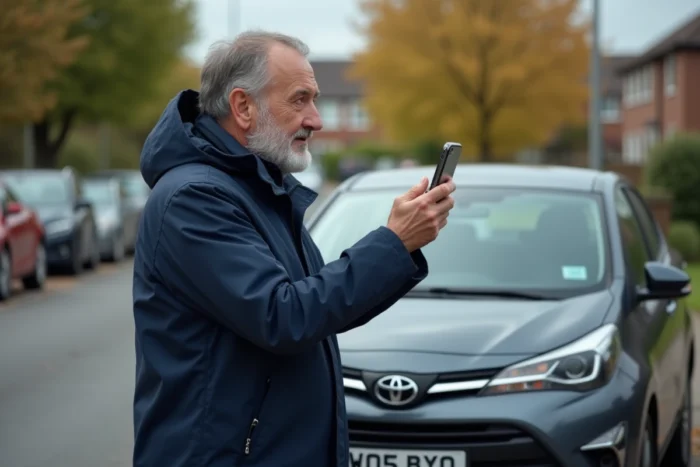
A simple black number on a white background can change the game when buying a car. In France, access to a vehicle’s history is no longer reserved for a select few. The widespread implementation of the SIV (Vehicle Registration System) has opened the floodgates: anyone, whether a savvy buyer or just a curious onlooker, can now consult certain information related to the license plate. Of course, this right is balanced with the protection of personal data, but the scope of investigation has significantly broadened.
What the license plate reveals about a car’s history
The license plate is no longer just a code: it acts as the vehicle’s passport. With this number, it becomes possible to trace the administrative journey of a car, from its first owner to its last transaction. Accessing a historical report reveals valuable information that is impossible to guess with the naked eye.
By using a service like Check a car’s history with the license plate, you can quickly obtain a list of previous holders of the registration certificate, the timeline of ownership changes, and the mileage recorded during technical inspections. This data sheds light on the reality of the vehicle’s past: accidents, administrative disputes, theft declarations, or pledged status.
But the registration number opens other doors. Some reports include the VIN number, the true DNA of the car, useful for cross-referencing maintenance histories or spotting a manufacturer recall that has gone unmentioned. For those looking to avoid scams or detect hidden defects, this transparency is an irreplaceable safeguard in the used car market.
Here is an overview of the concrete information accessible via the plate:
- Previous owners: number and dates of transfer
- Technical inspections: history, anomalies, and results
- Administrative status: pledged vehicle, declared theft, any opposition
- Major accidents: heavy repairs, VEI procedure (economically irreparable vehicle)
In summary, using the vehicle registration plate has become an essential step before buying or selling a used car.
How to access a vehicle’s history for free: reliable methods and services
Obtaining the car history without paying is possible, provided you use the right tools. Today, access to this data is facilitated by public platforms and certain specialized services, useful for avoiding pitfalls when purchasing a used vehicle.
To do this, nothing complicated: just turn to official services capable of generating a vehicle historical report. With the registration number, a query in the vehicle registration system allows you to display a detailed statement, including major events in the vehicle’s administrative journey. Typically, you will find:
- the date of first registration,
- the successive changes of ownership,
- the current administrative status (pledge, opposition),
- the certified mileage during the last technical inspections.
Some sites offer to go further by cross-referencing these elements with the VIN number, to verify the consistency between the claimed maintenance and the reality of the interventions. This free approach provides the buyer with a clear view, allowing them to spot inconsistencies or omissions in the history.
By relying on these online tools, both individuals and professionals enhance the security of their car purchase. Access to the history, traceability of accidents, or administrative compliance meets a demand for transparency that has become established over the years in the used car market. For a concrete example: a buyer can, in just a few clicks, check if the vehicle has been subject to a pledge or an administrative opposition, thus avoiding a bad investment.

Limitations, pitfalls to avoid, and tips for a thorough verification
While the license plate offers quick access to the vehicle history, it does not tell the whole story. The administrative data obtained via the registration number focuses on official steps: changes of ownership, pledges, contentious situations. But it leaves out everything that escapes declaration, mechanical interventions outside the network, discreet repairs, or accidents settled without formal trace.
The registration certificate does not display minor incidents that went under the radar or unreported kilometers outside technical inspections. To fill these blind spots, nothing replaces consulting the maintenance booklet, invoices, or the VIN number, which allow you to verify the consistency with the information related to the car gathered through the plate.
To conduct a verification without a hitch, it is advisable to cross-check each piece of data from the historical report with the documents provided by the seller. Ask them about periods when the vehicle was not driven or any potential discrepancies in mileage. The appearance of an unusual registration number format or an incomplete report should raise red flags and prompt further investigation.
Finally, even the best administrative traceability cannot replace a thorough examination of the vehicle and a cross-check of all supporting documents. Ask specific questions, demand written proof of maintenance, and leave nothing in the shadows. A thorough verification remains the best protection against unpleasant surprises that sometimes lurk around the corner of a used transaction.
Ultimately, every plate tells a story, provided you know how to read between the lines and go uncover what the numbers do not always reveal.