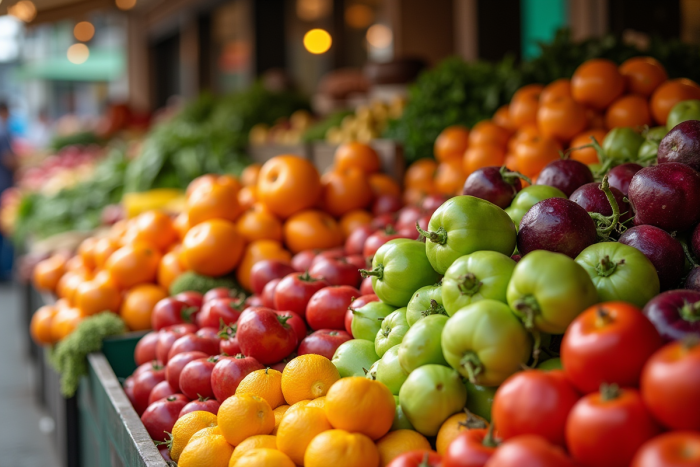
Exotic products, appealing due to their diversity and unique flavors, are gaining popularity on market stalls and in supermarket aisles. Their consumption can pose food safety risks if certain precautions are not taken. Food safety then becomes a priority for those wishing to explore these dishes from afar without compromising their health.
To avoid potential dangers, make sure to gather information about the origin of the products and the conditions under which they were grown and transported. Check quality labels, prioritize certified products, and adhere to preparation and cooking guidelines, which are essential steps for safely enjoying these culinary treasures from around the globe.
Potential Dangers of Exotic Products
Exotic products, while delicious and nutritious, sometimes hide unsuspected dangers. Among the most common risks are contamination by bacteria, parasites, or fungi. These microorganisms can proliferate during transport, especially if storage conditions are not optimal.
Microbiological Risks
Some products, such as seafood or exotic vegetables, are particularly sensitive to contamination. Foodborne illnesses such as salmonellosis or listeriosis can occur if these foods are not handled properly.
- Salmonellosis: often linked to the consumption of raw or undercooked seafood.
- Listeriosis: can be contracted from exotic dairy products that are unpasteurized.
Chemical Contaminations
Some exotic products may contain residues of pesticides or heavy metals. The lack of strict regulations in some producing countries exacerbates this phenomenon. Consumers must be vigilant and prioritize products from organic farming or certified by recognized quality labels.
Expired Products
Another danger lies in the consumption of expired exotic products. For example, consuming expired coconut milk poses health risks, including severe gastrointestinal disorders. Adhering to expiration dates is essential to avoid these inconveniences. Vigilance is required at every stage, from purchase to consumption, to fully enjoy the benefits of exotic products without suffering their drawbacks. 
Good Practices for Safe Consumption
To fully enjoy exotic products without risking your health, adopt a few simple yet effective habits. Here are some practices to follow:
Choose Quality Products
- Prefer products with quality labels such as organic farming or recognized certifications. These labels ensure rigorous controls and better traceability of food.
- Check the expiration dates and inspect the packaging for any anomalies, such as tears or signs of poor storage.
Follow Hygiene Rules
- Thoroughly wash exotic fruits and vegetables under running water before consuming them, even those you peel. This step helps eliminate pesticide residues and microorganisms present on the surface.
- Use separate cutting boards and knives for raw and cooked products to avoid cross-contamination.
Store Products Properly
- Immediately store fresh products in the refrigerator and adhere to the indicated storage temperatures. Improper storage promotes bacterial proliferation.
- For dry products like spices or legumes, store them in airtight containers away from light and moisture.
Cook at Appropriate Temperatures
- Cook seafood and exotic meats at sufficient temperatures to destroy pathogenic bacteria. Use a kitchen thermometer to ensure that recommended temperatures are reached.
- Avoid consuming raw products unless their origin and quality are guaranteed.
By following these good practices, you can enjoy the richness of exotic products with peace of mind.