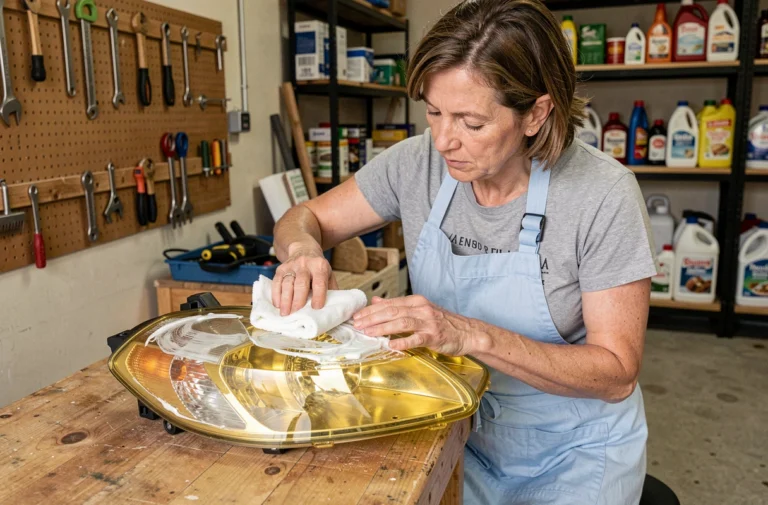
A shelf that collapses after three days is not a foregone conclusion: often, everything hinges on the preparation. Many DIY enthusiasts start from scratch due to unsuitable materials, rushed measurements… or because they are unaware that a universal plug is not suitable for all walls. Hardware stores confirm this: many sales involve repairs or corrections of improvised attempts. By neglecting certain details considered secondary, DIY projects turn into a puzzle. However, a few reflexes can change the game. With method and adaptation, the satisfaction of a job well done becomes accessible.
Why DIY at home is on the rise
Nowadays, DIY is no longer limited to replacing a seal or installing a wobbly board. Tackling your own projects means rediscovering creativity, crafting a custom piece, and enjoying personalizing every corner of your home. DIY at home is also about breaking free from ready-made solutions and daring to create unique projects. You set a challenge for yourself, refine your skills, and learn: each action adds nuance to our interior, and each attempt adopts a different style.
The World DIY Day, celebrated on May 24, illustrates the immense diversity of this community. Newcomers, seasoned retirees, families, students, or perfectionists: everyone shares tips, decor ideas, or trial notebooks on Instagram, Facebook, and other platforms teeming with examples. Tutorials abound, dispelling the myth of inaccessible techniques and opening the door to unexpected DIY projects: basement renovations, balcony makeovers, revamping a tired closet… Creativity overflows.
For some, DIY is primarily about visible savings; for others, the pride of handmade and the joy of transforming the ordinary serve as motivation. The DIY project becomes an excuse to repurpose furniture, create a new atmosphere, or extend the life of a cherished item. The internet is full of reliable guides, tested tips, and detailed plans. Sharing experiences fosters progress, just like the freedom to fail and then try again. On blogdubricoleur.fr, the advice is practical, accessible, and inspired by real-life situations: perfect for avoiding beginner mistakes.
Over time, DIY asserts itself as an act of taking control of one’s living environment. If you’re going to dedicate time and energy, you might as well ensure that each project reflects your desire to create and your way of living.
Tips that make all the difference to avoid failing your projects
Successfully completing a DIY project starts with flawless anticipation. Before diving in, take the time to identify: what is the real need, what materials will be useful, how many steps should you take? Break down the project, visualize the result, and set a small timeline. Without precise budgeting, costs can quickly escalate: each item requires reflection and tracking, or you risk having to improvise or replace in a hurry.
It’s impossible to achieve good results without a minimum of organization. A clear workspace, tools chosen for their reliability, and meticulous storage of supplies make the difference between a calm DIY experience and a tedious chore. Prepare a real toolbox: drill, level, screwdriver, square, saw, tape measure. Instead of accumulating everything, focus on essentials and durability; store your screws, bits, and plugs by category in closed boxes. A tidy workspace saves a lot of time and limits fumbling.
Vigilance must extend to safety: appropriate gloves, protective eyewear, closed shoes, nothing is optional. Before handling the ladder or jigsaw, double-check every connection and every fastening. One oversight, and the entire project can go awry.
Finally, remember that mastering mistakes shapes the seasoned DIYer. Failures are never synonymous with total failure: they bring perspective, perseverance, and the ability to reinvent oneself. Adjust your approach, experiment methodically, and with each project, every correction becomes an asset rather than a hindrance.

Solid inspirations and good resources to go further
To develop your skills, nothing beats reliable support. DIY books, found in bookstores or online, provide good benchmarks to gain confidence. Whether it’s a general manual or a public guide like The Essentials of DIY or The Easy DIY Manual, the wealth of diagrams and step-by-step instructions clarifies each stage: designing a partition, installing a shelf, or renovating old furniture becomes less intimidating.
Training is no longer reserved for professionals. You can learn everywhere now: through video tutorials, workshops at specialized centers, or guides available online. Certain projects require targeted advice: installing wall tiles, custom lighting, creating unique furniture. There’s nothing stopping you from alternating readings, experiments, and questions on forums to correct or improve your technique.
Exchanges on social media are full of good ideas. Instagram and Facebook allow for all kinds of inspiration, from clever repurposing to collective challenges, as well as welcome support during tough times. You discover inspiring projects, clever detours, and above all, the feeling of progressing together.
To enrich your approach, here are several concrete avenues to explore:
- Watch video tutorials to grasp a specific technique
- Dive into illustrated and detailed manuals to structure your projects
- Join workshops or participate in forums to share your difficulties and successes
When you leverage the experience of others and cultivate your curiosity, each project takes a different turn. DIY at home is about confronting the unexpected, progressing through trial and error, and then viewing your environment in a new light. Perhaps by hammering your next nail, your entire home will embark on a new beginning.