Monaco concentrates a rich cultural heritage within a small area, with a density that escapes typical tourist circuits. Beyond the Prince’s Palace and the Monte-Carlo Casino, the Principality maintains community traditions and a cultural program that deserve a more nuanced understanding.
Monaco’s Heritage at Risk: The Exhibition That Changes Perspectives
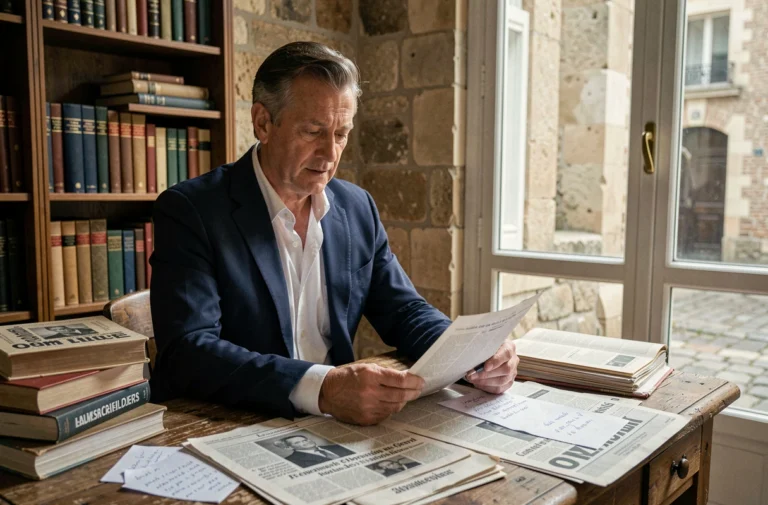
The photographic exhibition Heritage at Risk, presented until October 4, 2026, marks a turning point in how Monaco approaches its own heritage. Classic guides list monuments to visit. This initiative, however, documents the concrete threats facing the material and immaterial heritage of the Principality.
Climate change, natural disasters, accelerated urbanization, mass tourism pressure: the identified factors are anything but abstract. In such a compact territory, every urban transformation directly affects the historical architectural fabric.
Announced in La Semaine en Principauté in the Journal de Monaco on August 28, 2026, the exhibition is part of a reflection led by the Department of Cultural Affairs. Here we observe a shift: heritage ceases to be a mere tourist argument and becomes a matter of collective concern, documented and publicly debated.
The resources gathered on petitmonegasque.fr allow for an extended exploration of Monegasque culture from a local and documented perspective.
Reserved Monegasque Traditions: The Community Dimension
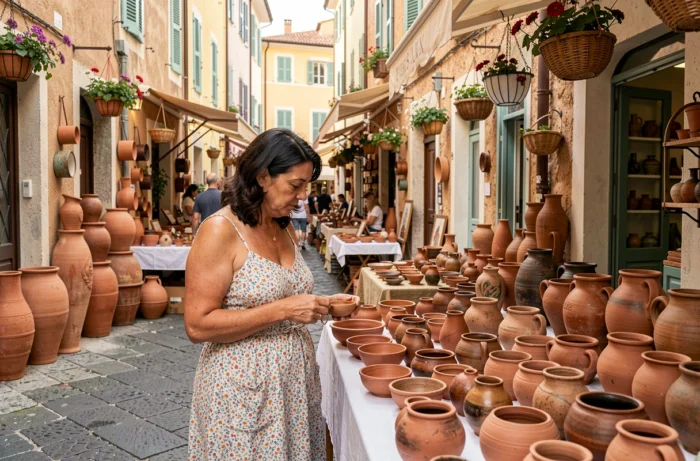
Some Monegasque traditions remain inaccessible to visitors. The Municipality of Monaco organizes a late summer gathering in September 2026 reserved for Monegasques and their spouses, focused on conviviality, local gastronomy, and intergenerational transmission.
This type of event reveals a living and protected Monegasque culture. The chosen exclusivity ensures the perpetuation of customs. The specialties shared during these gatherings are part of a community ritual whose significance goes beyond folklore.
Almost all tourist guides overlook this dimension. Visitors discover monuments, rarely the social practices that underpin them. Some layers of Monegasque cultural life cannot be visited: they must be experienced from within.
What the Attractions Fair Says About Local Identity
Monaco regulates its popular events with an administrative precision that reflects its desire to control every use of public space. The Attractions Fair, framed by municipal decree, illustrates this. Behind a simple decree lies a whole conception of collective life.
Cultural Programming 2026: Monaco Beyond Classical Heritage
Reducing Monegasque culture to heritage institutions would be an analytical error. The 2026 programming outlines a much more ambitious landscape.
- The International Book Fair positions Monaco as a player in the dissemination of Francophone literature, far from the exclusively glamorous image of the territory
- The contemporary art fair art3f opens the Principality to current artistic practices, with affordable pricing and a participatory format that contrasts with the supposed elitism
- The World Theater Festival hosts international companies and confirms a scenic tradition that tourist circuits systematically ignore
- Meetings dedicated to the environment and heritage complement this programming, anchoring cultural reflection in contemporary issues
This event network demonstrates that the Principality does not merely preserve its history. It produces living, contemporary, and participatory culture.
Monegasque Architecture and Urban Planning: Reading the City Differently
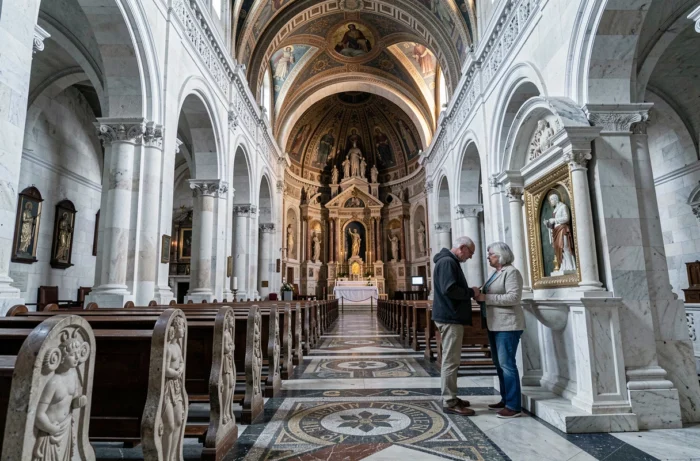
Monegasque urban planning is a constant compromise between densification and preservation. Each real estate operation is negotiated within a constrained framework where the memory of the place weighs as much as profitability. The facades of Monte-Carlo partially conceal this history.
The streets of the Rock retain a medieval architectural logic that is readable for those who know where to look. Covered passages, stairs carved into the rock, alignments of narrow facades: all traces of an organic urbanism predating the Grimaldi.
Fontvieille and the Land Reclamation from the Sea
Fontvieille represents the other side of Monegasque architectural history. Completely reclaimed from the sea, this district embodies a radically different approach to urban space. We recommend exploring it not for its museums (often mentioned in guides), but to observe how an artificial territory has been integrated into the existing fabric of the Principality.
The Princess Grace Rose Garden, located in Fontvieille, serves as a transitional space between historic Monaco and constructed Monaco. Its landscaping function goes beyond mere aesthetics: it humanizes a neighborhood that, without it, would remain a pure engineering exercise.
Scientific Memory of Monaco: An Underestimated Heritage
The Oceanographic Museum, founded by Prince Albert I, is often reduced to a family attraction. It is primarily an active scientific research center whose history is intertwined with that of modern oceanography. The collections preserved in its reserves far exceed what aquariums display.
This scientific tradition permeates other, less visible institutions. The Principality maintains a network of research and documentation coordinated by the Department of Cultural Affairs. The archives of the Journal de Monaco, published regularly, constitute a primary historical source on the administrative and cultural evolution of the territory.
The Principality can be read through its municipal decrees, its engaged exhibitions, its community festivals closed to tourists, and its cultural programming that rejects an exclusively heritage-focused approach. It is this depth, invisible from the port of Monte-Carlo, that distinguishes Monaco from a mere luxury destination.