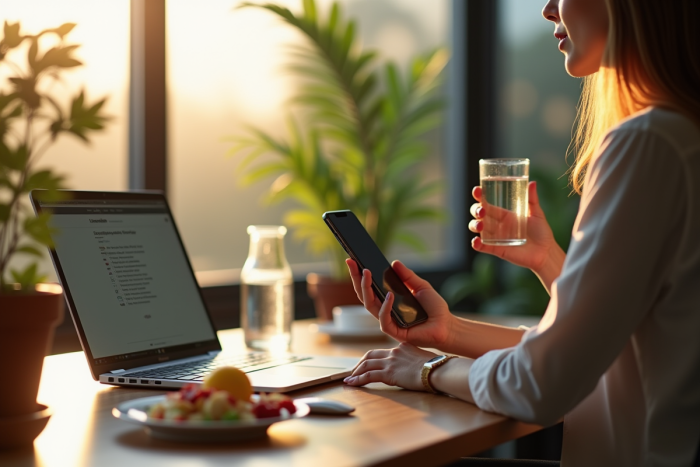
A screen lights up, the heart races. In the depths of the night, our connected devices shine with a new promise: to improve our lives, where yesterday they were accused of disrupting the fabric of it. Who would have bet, ten years ago, that smartphones and apps would take the lead in helping us sleep better, eat better, breathe better? And yet, the scene repeats itself every evening on millions of nightstands, between a gentle alarm and notifications whispering to go to bed earlier.
With tailored advice and well-calibrated alerts, the line between lifestyle hygiene and digital tools is blurring. Who is really in control? Is it technology that shapes our days, or are we bending it to our own demands to maintain our balance? The duo progresses, sometimes awkwardly, but always more intertwined.
Lifestyle hygiene in the digital age: what new challenges for our well-being?
The digital has slipped into the center of our routines, disrupting the classic markers of lifestyle hygiene. We know that the majority of cardiovascular diseases could be prevented by better habits, according to the French Federation of Cardiology. Yet, on the ground, the gap widens between awareness and action. Hyperconnectivity fuels stress, erodes health capital, and exhausts the immune system.
Boundaries fade: 68% of managers and 47% of French employees remain connected after hours, according to studies by Opinion Way and We Are Social. Remote work, propelled by the health crisis, has reshaped our rhythms, challenging the very notion of work-life balance. The level of cortisol rises, chronic stress sets in, widening the gap toward burnout, heart diseases, and psychological fragility.
The medical desertification and the saturation of caregivers shift prevention into the realm of business. Companies are becoming players in QVT/QVCT, taking over to protect the health of their teams. Resources like Pharamond Santé then become benchmarks for navigating this digital jungle without losing sight of the fundamentals of well-being.
- Rethink prevention in the workplace
- Establish disconnection as a new reflex
- Reconcile digital presence with overall health
Digital is no longer just a tool: it reshapes the landscape of professional quality of life and, more broadly, public health.
When digital becomes an ally: practices and tools for a better quality of life
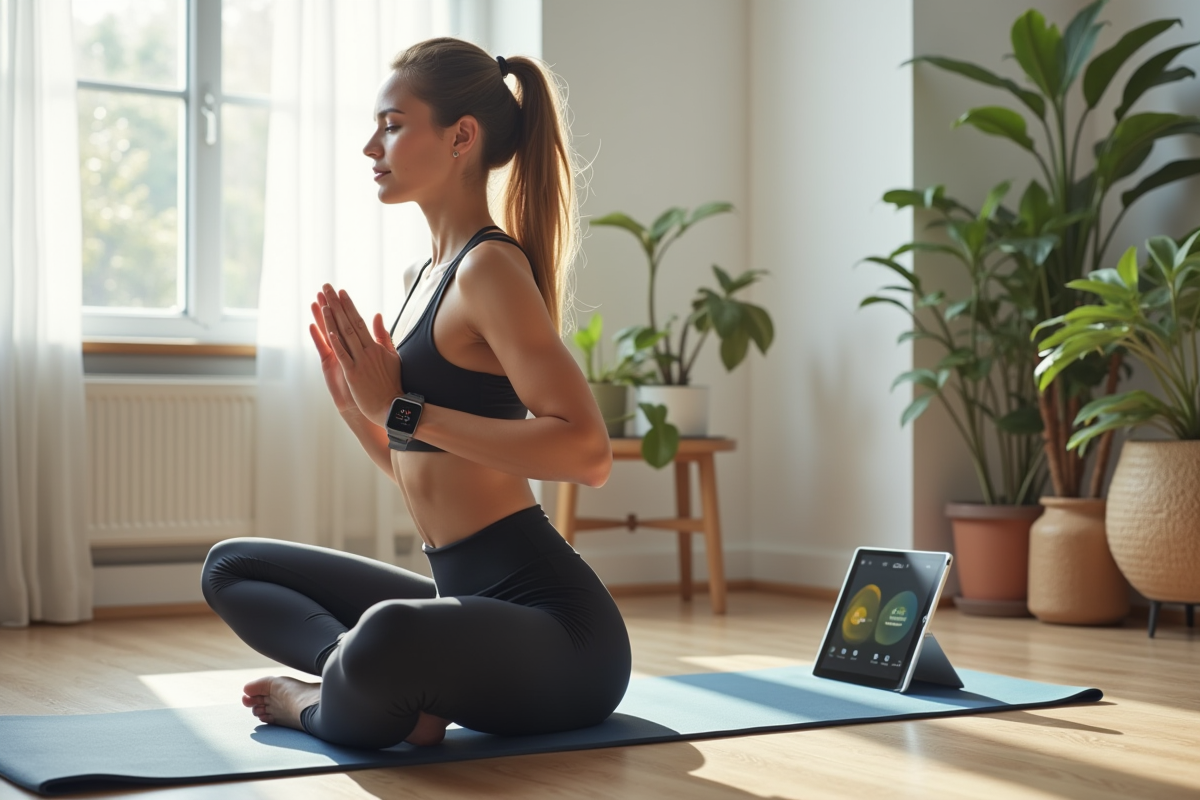
The digital is now invited into health prevention initiatives at work. Companies, on the front lines for the quality of life of their employees, are multiplying initiatives to combine performance and fulfillment. Practical workshops, screenings for cardiovascular risks, campaigns to promote digital disconnection: the range of actions is expanding to meet real needs.
Cardiovascular screenings adapt to professional rhythms: on-site, remotely, via connected tools. For busy employees, these appointments are sometimes the first opportunity to question their health, to embark on a shift toward new habits. The feedback is telling: enthusiasm is present, awareness is born, and a few triggers are enough to initiate a lasting change in lifestyle.
Awareness of disconnection is emerging as a lever to regain personal balance. Conferences, interactive workshops, digital solutions to manage time: the company becomes a laboratory for social innovation. HR teams are seizing these tools to ease stress and strengthen cohesion.
- Mini-sessions of physical activity directly integrated into the digital agenda
- Well-being tracking applications accessible on computer or tablet
- Training on screen management and prevention of musculoskeletal disorders
Digital, far from adding a layer of pressure, transforms into a foundation for sustainable well-being at work, whether one is an employee or self-employed. Algorithms do not replace willpower, but they can open doors, provided we show them the way.